
Consumer Behaviour Trends: What Every Brand Can Learn from the Rise of GLP-1 Medications
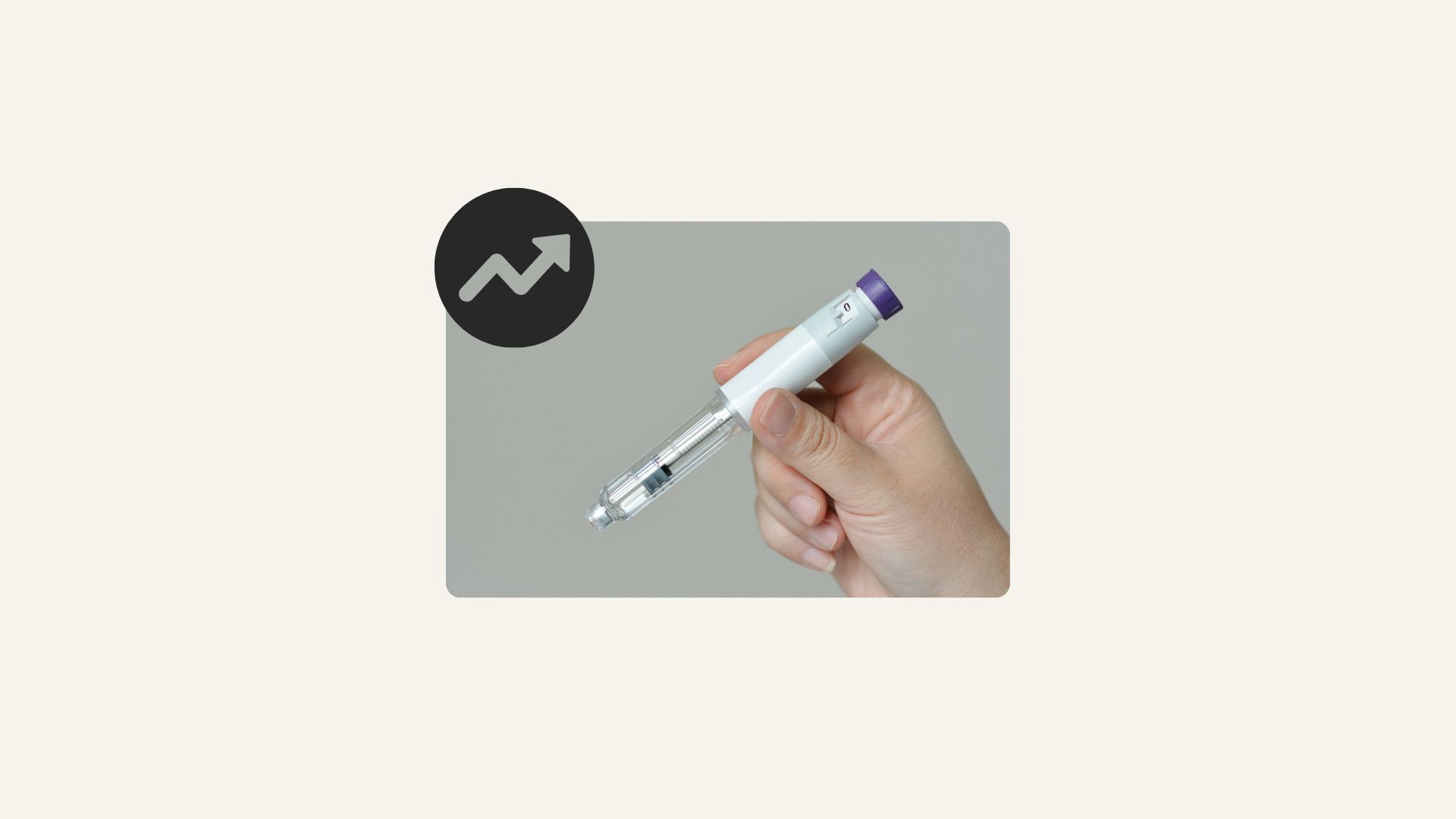
Consumer behaviour is constantly evolving, but every so often a shift comes along that has the potential to reshape entire categories.
At this year's MAD//Fest, one of the most thought-provoking sessions wasn't really about GLP-1 medications. It was about what they reveal about changing consumer behaviour and why brands need to pay attention.
As millions of people rethink what they eat, buy and value, we're seeing more than just a healthcare trend. We're seeing a behavioural shift that's influencing purchasing decisions, challenging brand loyalty and creating new opportunities across food, nutrition, health and wellbeing. While not every brand needs a GLP-1 strategy, every marketer can learn something from how consumer habits are changing.
Consumer behaviour is changing faster than ever
For decades, brands have relied on habit.
Whether it's picking up the same breakfast cereal every week, adding familiar snacks to the shopping basket or choosing the brand that's always been in the cupboard, many purchasing decisions have been driven by routine rather than conscious thought.
The rise of GLP-1 medications is disrupting those routines.
Consumers are becoming more intentional about what they buy, questioning long-established habits and reassessing products that have been part of their lives for years. While this behaviour is being driven by changes in health priorities, the wider lesson is that consumer habits can change far more quickly than many brands expect.
For marketers, that's a valuable insight. Competitive advantage doesn't always come from outperforming rival brands. Sometimes it comes from recognising wider behavioural shifts before everyone else does.
What food and nutrition brands can learn
Much of the conversation around GLP-1 medications focuses on declining consumption, but that's only part of the story.
Shopping baskets aren't simply getting smaller. They're changing shape.
Consumers are placing greater importance on nutritional value, protein intake, functional foods and products that support broader wellbeing goals. As priorities evolve, so too do expectations around the products brands develop and the way they communicate with customers.
For food brands, this presents an opportunity to rethink how products fit into healthier lifestyles, whether through innovation, reformulation, clearer nutritional messaging or new product ranges.
Nutrition brands are also well positioned to support consumers through these changing behaviours. As people become more deliberate in their purchasing decisions, there's growing demand for products that align with new health goals while still delivering convenience, taste and value.
The brands that understand these evolving priorities early will be better placed to remain relevant as consumer expectations continue to shift.
Why healthcare brands should pay attention
For healthcare brands, the discussion extends well beyond the medication itself.
GLP-1 treatments highlight how closely healthcare and lifestyle are becoming connected. Consumers are increasingly looking for holistic support, combining treatment with nutrition, education, exercise and long-term behaviour change.
That creates opportunities for healthcare organisations to think beyond products and services alone. Supporting patients through education, community building and lifestyle guidance can become just as important as the treatment itself.
The broader takeaway is that healthcare marketing is becoming increasingly centred around behaviour change rather than simply raising awareness.
Changing habits create opportunities for brands
One of the most interesting insights shared during the session was that significant lifestyle changes often make consumers more willing to try new brands.
When people reassess their daily routines, they also become more open to reconsidering the products they've bought for years. Established loyalties become less fixed, creating opportunities for challenger brands while reminding market leaders that familiarity alone is no longer enough.
This isn't unique to GLP-1 medications.
Whenever consumer behaviour changes, whether through economic pressures, cultural shifts or new technologies, purchasing decisions become more fluid. Brands that understand those moments are often better positioned to earn consideration while consumers are actively re-evaluating their choices.
Behaviour change doesn't stop with one person
Another important takeaway was that changing consumer behaviour rarely affects individuals in isolation.
Many people taking GLP-1 medications are responsible for household grocery shopping, meaning one person's changing priorities can influence the purchasing decisions of an entire family.
That's a useful reminder for brands across food, nutrition and healthcare. Consumer behaviour is shaped by families, communities and shared routines just as much as individual preferences. Understanding those wider influences can help brands anticipate changing demand and develop products and messaging that better reflect how people actually make decisions.
What this means for marketers
The biggest lesson from MAD//Fest wasn't that every brand should be talking about GLP-1 medications.
It was that brands should be paying much closer attention to the behavioural shifts happening around them.
For food brands, that means understanding how healthier lifestyles are changing purchasing habits. For nutrition brands, it's an opportunity to develop products that meet evolving consumer needs. For healthcare brands, it's about recognising that treatment is increasingly linked with long-term lifestyle support.
More broadly, it's a reminder that consumer behaviour never stands still. The brands that succeed over the next decade won't simply react to change once it's happened. They'll be the ones that identify emerging behaviours early, adapt their strategies accordingly and continue evolving alongside the people they serve.
Explore Our Latest Insights
Stay updated with our latest articles and resources.









Ready to elevate your marketing strategy?
Let’s add some spice to your next campaign 🌶️