
UK Under-16 Social Media Ban: What It Means for Child Influencers and the Creator Economy

The UK government's proposed ban on social media for under-16s is one of the most significant online safety interventions in recent years.
The intention is understandable. Concerns around mental health, cyberbullying, harmful content and algorithmic recommendation systems have been growing for years, and many parents will welcome stronger protections for children online.
But while the proposed ban may be politically appealing, it risks offering political neatness where what we really need is practical protection.
Children will not simply disappear from the internet because social media accounts become unavailable. As we've already seen in countries introducing similar restrictions, many young people will continue to access online spaces through workarounds, VPNs or alternative platforms. Others may migrate to smaller, less regulated corners of the internet where safeguards are weaker.
At the same time, there is a risk that a ban allows platforms to avoid deeper scrutiny of the design choices that contribute to harm in the first place. Questions around addictive product design, algorithmic amplification, infinite scrolling and engagement-driven recommendation systems affect adults as well as children.
The debate should not stop at whether children can access social media.
It should also ask how children are being protected when they appear on social media.
The gap in the current debate
One group is notably absent from much of the discussion surrounding the proposed ban: children who feature in social media content.
Across family influencer channels, parenting content and creator-led brand partnerships, children are increasingly visible online. Their images, routines, milestones, school lives and private moments can become part of commercial content viewed by millions of people.
The proposed legislation may prevent a child from opening an Instagram account, creating a TikTok profile or accessing YouTube independently.
What it does not do is protect a child whose life is being shared online by adults.
In some cases, a child could be considered too young to use social media while still being allowed to feature in content published on those same platforms. They may be unable to access the content themselves, yet their image, identity and personal experiences remain publicly visible online.
This raises important questions around consent, privacy, safeguarding, financial protection and long-term digital footprints.
These are not questions the proposed social media ban answers.
Why Pepper developed the Kidfluence Code
This is one of the reasons Pepper developed the Kidfluence Code.
As the creator economy has matured, brands, agencies, creators and talent representatives have increasingly involved children in commercial content. Yet clear standards around how children should be protected have struggled to keep pace with the growth of the industry.
The Kidfluence Code was developed to provide a practical framework for safeguarding children who appear in commercial content, regardless of whether they have their own social media accounts.
It addresses areas including:
- Child welfare and safeguarding
- Age-appropriate participation
- Consent and parental responsibility
- Privacy and digital footprints
- Fair treatment and representation
- Commercial transparency
- Long-term wellbeing
These considerations remain relevant whether a child is allowed to access social media or not.
Protecting children requires more than platform bans
The government's proposals are an important contribution to the online safety conversation. Few would argue that the status quo is working perfectly.
But protecting children online requires more than restricting access to platforms. It requires a broader conversation about how children are represented, commercialised and safeguarded when they become part of online content themselves.
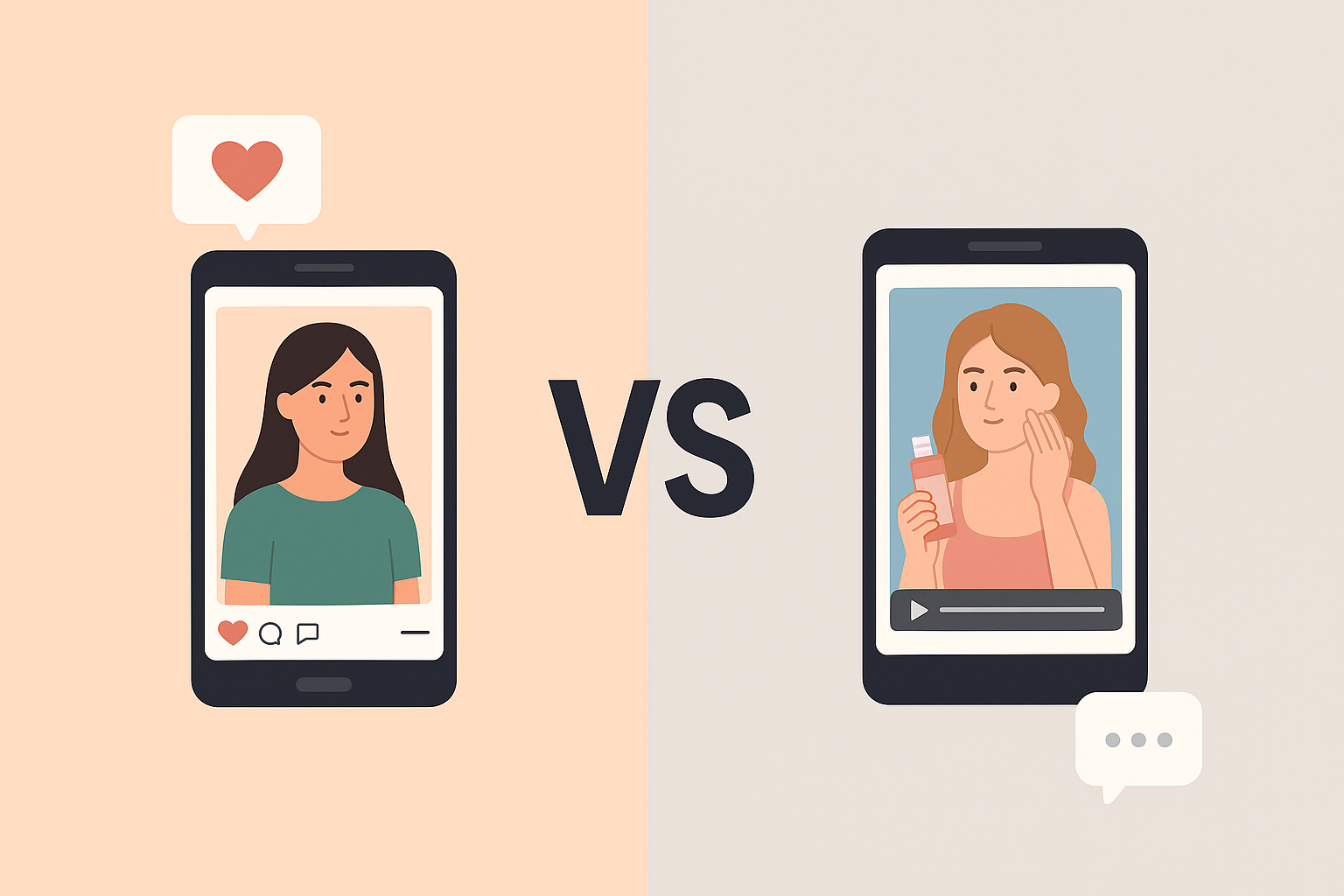
The proposed ban focuses on children as consumers of content. The Kidfluence Code focuses on children as participants within it.
Both conversations matter.
Because even in a world where under-16s cannot hold social media accounts, children can still appear online, generate engagement, create commercial value and build digital footprints that may follow them for years to come.
If we are serious about protecting children online, we need to consider both.
To learn more about the Kidfluence Code and its principles for protecting children involved in commercial content, visit kidfluencecode.com.
Explore Our Latest Insights
Stay updated with our latest articles and resources.








Ready to elevate your marketing strategy?
Let’s add some spice to your next campaign 🌶️