
HFSS ad ban and social media marketing: how brands stay compliant without losing performance
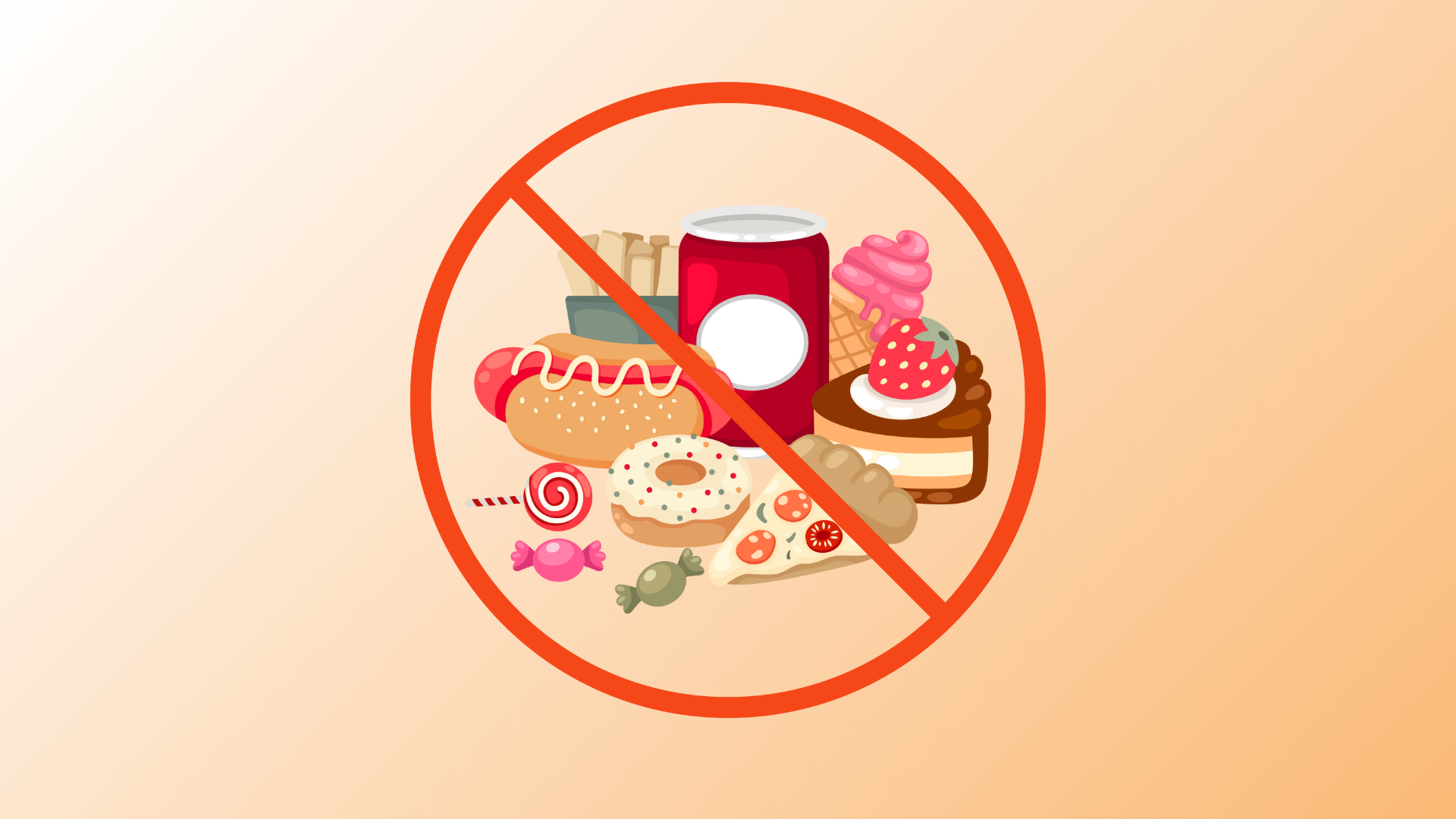
From today (5th January 2026) UK HFSS advertising ban is now live. For many brands, the immediate concern is practical rather than political.
How do you stay compliant while still driving brand growth?
How do you keep social and influencer marketing working when product advertising is restricted?
And how do you avoid falling foul of the ASA while still showing up culturally?
Here’s what brands need to understand and how to adapt fast.
What is an HFSS product?
HFSS stands for high in fat, salt and sugar.
An HFSS product is any food or drink that is classified as high in these nutrients using the government’s nutrient profiling model. This scoring system assesses products based on their nutritional content, balancing factors such as calories, saturated fat, sugar and salt against positive elements like fibre, protein, fruit and vegetable content.
Products that score above a set threshold are classed as HFSS and are subject to advertising restrictions.
Common HFSS product categories include:
- Sugary soft drinks
- Chocolate and sweets
- Ice cream
- Pizzas and many ready meals
- Some breakfast cereals and sweetened breads
- Certain sandwiches and meal deals
Not all products within these categories are automatically banned. Lower sugar or reformulated versions may fall below the HFSS threshold and can still be advertised.
This distinction is important. The HFSS rules apply to specific products, not entire brands. Many food and drink brands have a mix of compliant and non-compliant products within their portfolios, which means careful planning is required when running digital, social and influencer marketing campaigns.
What is the HFSS advertising ban?
The HFSS regulations restrict advertising for food and drink high in fat, salt and sugar across paid media.
Under the new rules:
- HFSS products cannot be advertised on TV before 9pm
- HFSS products cannot be advertised in paid online advertising at any time
This includes paid social media, paid influencer content, display ads, pre-roll and sponsored content.
The aim is to reduce children’s exposure to unhealthy food marketing, but the impact lands squarely on marketing teams.
Are organic social and influencer marketing banned?
No. But both are regulated more tightly than many brands expect.
Organic social media marketing is still allowed. Influencer marketing is still allowed. However, if content is paid, gifted, incentivised or boosted, it is classed as advertising and must comply with HFSS rules.
That distinction matters.
How brands can use organic social compliantly
Brands can continue to post on their owned social channels. The ban does not silence brands or remove their ability to communicate.
However, organic content that heavily promotes HFSS products risks becoming non-compliant, especially if it is later boosted or repurposed as paid media.
Best practice for compliant organic social includes:
- Brand storytelling rather than product selling
- Lifestyle, culture and community-led content
- Humour, tone of voice and reactive moments
- People, values, sustainability and partnerships
- Clear focus on compliant or reformulated products
Organic social should now function as a brand-building channel, not a product catalogue.
Influencer marketing under HFSS rules
Influencer marketing remains one of the most misunderstood areas of the ban.
If an influencer post is part of a paid partnership or includes gifted products, it counts as advertising. That means influencers cannot show or promote HFSS products directly in paid content.
What still works:
- Brand-led influencer campaigns without product visuals
- Lifestyle content where consumption is implied but not shown
- Creators talking about experiences, values or culture
- Promotion of compliant or lower sugar alternatives
Age targeting also matters. Content that could reasonably appeal to under 18s is higher risk and more likely to attract ASA scrutiny.
Brand advertising is still allowed
One of the biggest myths around the HFSS ban is that brands can no longer advertise at all.
Brand advertising is explicitly allowed. Logos, colours, mascots, slogans and brand worlds can still be used, as long as restricted products are not shown.
This is why strong brand assets are now a commercial advantage. Brands that invested early in distinctive identity are less exposed than those relying on product shots to drive recognition.
How brands stay operationally effective
The HFSS ban does not remove performance pressure. It changes how performance is achieved.
Brands that continue to perform well under the new rules are doing a few key things:
- Separating brand activity from product promotion clearly
- Building recognisable brand assets that work without products
- Shifting KPIs to include brand metrics, not just clicks
- Using social to create familiarity and salience over time
- Planning paid and organic together to avoid compliance risk
This is not about reducing ambition. It is about changing tactics.
Why this is a long-term shift, not a short-term fix
HFSS regulation is not a one-off intervention. It is part of a broader movement towards tighter controls on food marketing.
Brands that treat this as a temporary hurdle will struggle. Brands that treat it as a creative constraint will get sharper, more distinctive and more resilient.
Social media marketing is still viable. Influencer marketing is still viable. Performance marketing is still viable.
But the era of relying on product-led advertising in digital channels is over for brands whose products fall under HFSS restrictions.
At Pepper, we see this as an opportunity. Better strategy, clearer brand thinking and more imaginative creative tend to outperform shortcuts anyway.
Get in touch if you are rethinking your 2026 strategy and want to stay HFSS compliant while still delivering commercial performance..
Explore Our Latest Insights
Stay updated with our latest articles and resources.








Ready to elevate your marketing strategy?
Let’s add some spice to your next campaign 🌶️