
Instagram Reels Can Now Include Links. Here’s Why That Matters More Than People Think.
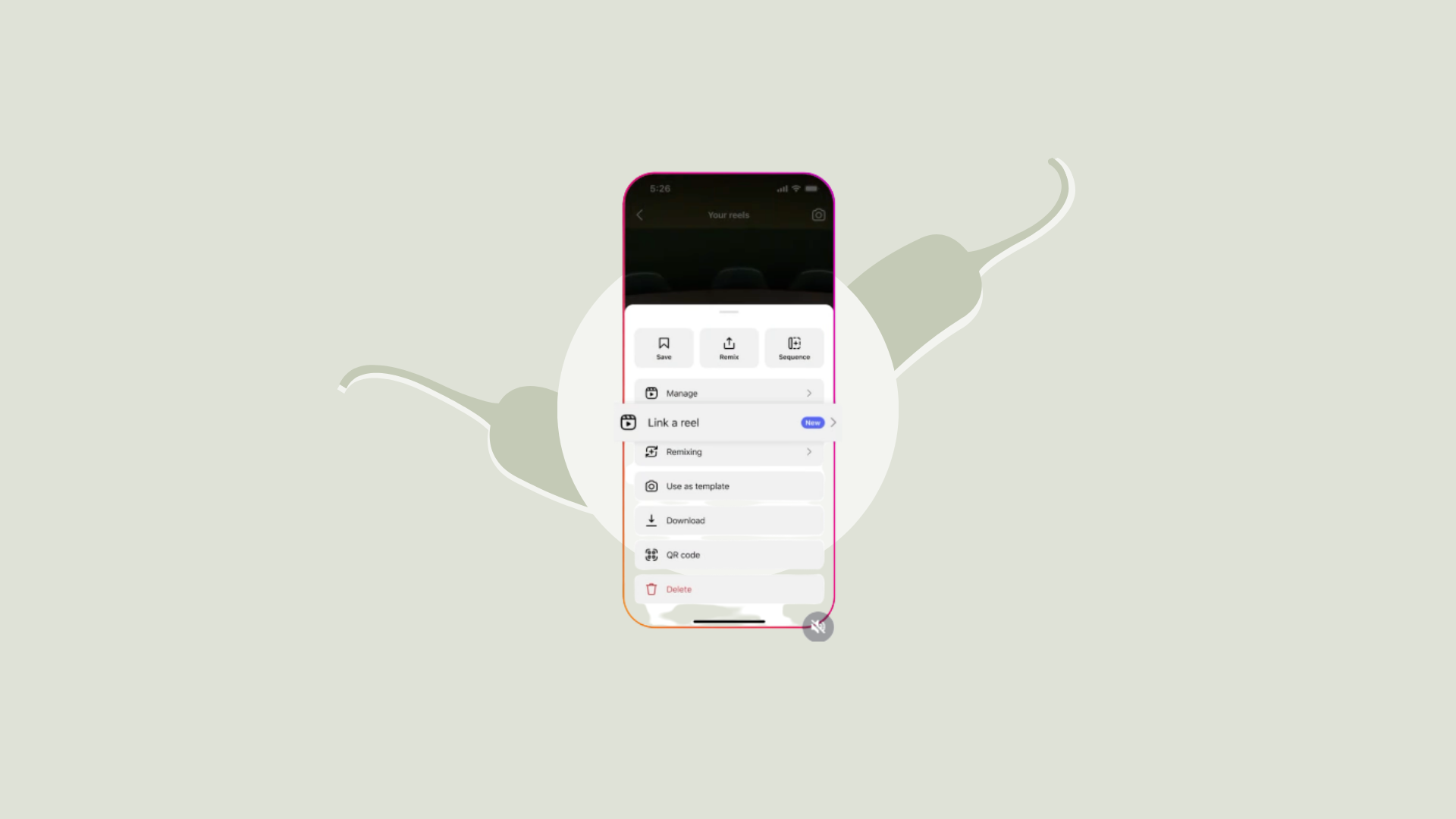
Instagram has finally done something marketers, creators and social teams have wanted for years: Reels can now include clickable links directly inside the content experience.
At first glance, it might seem like a relatively small product update. But honestly, this changes a lot about how brands, creators and audiences move from discovery to action on Instagram.
For years, social teams have relied on phrases like “link in bio” because there simply was not another option. The problem is that every extra step between content and conversion creates friction, and friction almost always lowers action.
Now, Instagram is starting to remove some of that friction directly inside Reels.
That matters because Reels is no longer just an engagement format. It is one of Instagram’s biggest discovery engines, and increasingly one of the main ways people discover products, creators, destinations, brands and recommendations online.
The easier platforms make it to move audiences from inspiration to action, the more valuable creator-led content becomes commercially.
Table of Contents
- What Has Instagram Changed?
- Why “Link in Bio” Was Always a Problem
- Why This Changes Reels Strategically
- What This Means for Influencer Marketing
- Why Creator-Led Conversion Is Becoming More Important
- How Brands Should Actually Use Reel Links
- Will Users Engage With Them?
- What This Means for Social Commerce in 2026
- Reel Link FAQs
- Final Thoughts
What Has Instagram Changed?
Instagram has started rolling out clickable links directly inside Reels, allowing creators and brands to drive users to external destinations without relying solely on profile links or Stories.
In practical terms, this means audiences can now move directly from watching a Reel to taking action in a much more seamless way.
That could include:
- Shopping products
- Booking experiences
- Reading articles
- Downloading apps
- Signing up for events
- Visiting landing pages
- Discovering campaigns
It sounds simple, but strategically it is a pretty significant shift because it shortens the distance between discovery and conversion inside Instagram itself.
And social platforms have been moving steadily in this direction for years.
Why “Link in Bio” Was Always a Problem
“Link in bio” became one of the most common phrases in social media marketing because brands had no better option.
The issue was never really the phrase itself. The issue was the number of steps involved.
A user had to:
- Watch the content
- Leave the Reel
- Visit the profile
- Find the correct link
- Click through
- Then hopefully convert
Every additional click creates drop-off.
That becomes even more challenging in creator marketing where content moves quickly and audience attention is highly reactive. People often engage with creator content emotionally and immediately, which means timing matters. If the action path becomes too slow or complicated, intent disappears.
At Pepper, we have always looked at social strategy through a behavioural lens first. One of the biggest drivers of conversion is reducing friction between attention and action, which is why this update feels more important than it might initially appear.
Instagram is essentially making Reels more commercially functional.
Why This Changes Reels Strategically
Reels has already become one of Instagram’s most important discovery surfaces.
People increasingly use Reels almost like search behaviour, discovering:
- Products
- Restaurants
- Travel destinations
- Fashion brands
- Tutorials
- Events
- Recommendations
- Creators
through short-form content.
The challenge was always that conversion still sat awkwardly outside the viewing experience.
Now, Reels starts functioning more like a direct response format rather than purely an awareness format.
That changes how brands should think about content strategy because Reels can now operate across much more of the funnel.
A Reel no longer has to simply generate attention or engagement. It can now drive action much more naturally within the same behavioural moment.
That is a very important shift.
What This Means for Influencer Marketing
This update is particularly interesting for creator and influencer campaigns because creator-led recommendations already perform strongly when audiences trust the person delivering them.
The issue historically has been conversion friction.
A creator could generate huge intent around a product, destination or experience, but moving audiences from excitement into action often relied on profile links, Stories or additional touchpoints.
Now, creators can potentially drive audiences directly from recommendation to action inside the Reel itself.
At Pepper, we think this reinforces something we have been seeing for a while now: creator content is increasingly becoming one of the strongest conversion environments on social, particularly when content feels natural, behaviour-led and platform-native.
The brands performing best right now are usually the ones that understand creators are not simply distribution channels. They are trust builders.
And trust becomes significantly more commercially powerful when the action pathway is immediate.
Why Creator-Led Conversion Is Becoming More Important
Social platforms are steadily collapsing the distance between inspiration and purchase.
TikTok has already moved heavily into commerce integration, YouTube continues building shopping functionality into creator content and Instagram has clearly been pushing further towards in-platform conversion for years.
That shift matters because audiences increasingly discover brands through creators rather than traditional advertising.
People trust creators because recommendations feel emotionally contextual. A creator demonstrating a product, documenting a travel experience or casually integrating a brand into their routine often feels more believable than highly polished advertising.
Now, platforms are making it easier to act on that trust immediately.
At Pepper, we approach influencer strategy around exactly this type of behavioural flow. The strongest campaigns happen when creator relevance, platform behaviour and conversion experience all work together naturally rather than feeling disconnected.
This update moves Instagram closer to that model.
How Brands Should Actually Use Reel Links
The biggest mistake brands could make with this feature is treating it too aggressively or transactionally.
Just because links are now available inside Reels does not mean every Reel should suddenly become highly sales-driven.
The content still needs to feel socially native first.
The brands likely to perform best with Reel links will probably use them within:
- Creator storytelling
- Product discovery moments
- Tutorials and demonstrations
- Travel recommendations
- Behind-the-scenes launches
- Cultural moments
- Community-driven content
- Educational formats
rather than interruptive “hard sell” behaviour.
At Pepper, we always encourage brands to think about how content feels inside the platform environment itself. Audiences engage most strongly with content that feels like something they would naturally want to watch or share regardless of whether a conversion opportunity exists.
The link should support the experience, not overpower it.
Will Users Engage With Them?
Realistically, yes.
Not because users suddenly love advertising more, but because audiences increasingly expect social platforms to function as discovery and action environments simultaneously.
Younger audiences especially already move fluidly between:
- Watching
- Searching
- Saving
- Sharing
- Purchasing
inside the same app experience.
The more seamless the action path becomes, the more likely people are to follow through on intent while interest is still high.
That is particularly important for:
- Impulse purchases
- Creator recommendations
- Event sign-ups
- Travel inspiration
- Product launches
- Limited-time drops
where emotional immediacy often drives action.
This update aligns directly with how audiences already behave online.
What This Means for Social Commerce in 2026
The bigger takeaway here is not really the link itself.
It is what the update says about where social platforms are continuing to move.
Social media is becoming increasingly commerce-enabled, creator-led and behaviourally integrated. Platforms no longer want to simply host attention. They want to facilitate the entire journey from discovery to conversion inside the same environment.
That means brands need to think more carefully about:
- Behavioural friction
- Creator credibility
- Social-native storytelling
- Platform psychology
- Emotional timing
- Conversion pathways
because content strategy and commerce strategy are becoming increasingly intertwined.
At Pepper, we think the brands that succeed in this environment will be the ones that understand social commerce is not just about adding shopping functionality.
It is about making action feel natural inside culture and conversation.
Reel Link FAQs
Can Instagram Reels now include clickable links?
Yes. Instagram has started rolling out clickable links directly inside Reels.
Why is this important for brands?
It reduces friction between discovery and action, making it easier for audiences to convert directly from content.
Does this replace “link in bio”?
Potentially, yes. For many campaigns and creator partnerships, direct Reel links will likely become a more effective conversion pathway.
What type of brands benefit most from Reel links?
Brands using creator marketing, social commerce, product launches, travel campaigns or discovery-led content will likely benefit most.
Should every Reel include a link?
Probably not. Content still needs to feel socially native and audience-first rather than overly transactional.
Final Thoughts
Instagram allowing links inside Reels may seem like a relatively simple update on the surface, but behaviourally it represents a much bigger shift.
Social platforms are continuing to reduce the distance between inspiration and action, and creator-led content is becoming increasingly central to that process.
For brands, this means the old “link in bio” journey will probably become less important over time as platforms prioritise more seamless conversion behaviour directly inside content experiences themselves.
But the biggest thing to remember is that easier conversion does not replace the need for strong storytelling.
If anything, it makes creator trust, cultural relevance and socially native content even more commercially valuable than before.
Explore Our Latest Insights
Stay updated with our latest articles and resources.










Ready to elevate your marketing strategy?
Let’s add some spice to your next campaign 🌶️